Electrical Cord Safety, what you need to know?
Electrical Cord Safety: What You Need To Know
Electrical cords and extension cords are used daily in almost every home — yet they are one of the top causes of electrical fires, shocks, and preventable home accidents. Knowing how to choose, inspect, and use electrical cords safely can protect your home, your family, and your electrical system.
This guide covers everything you need to know about electrical cord safety, including warning signs, proper usage, cord ratings, load capacity, and when to replace cords — plus a fully expanded high-value FAQ section tailored for maximum search visibility.
🔥 Why Electrical Cord Safety Matters
(High-value keywords inserted: electrical safety, home electrical hazards, extension cord fire risks, prevent electrical fires)
Faulty electrical cords are responsible for thousands of home fires every year. Many of these accidents happen because cords are:
- Overloaded
- Damaged or frayed
- Used improperly
- Placed in unsafe locations (under rugs, in doorways, near moisture)
Understanding and practicing electrical cord safety reduces the risk of:
- Electrical fires
- Electric shock
- Overheating
- Short circuits
- Appliance damage
- Tripped breakers and overloaded circuits
🧰 How to Choose a Safe Electrical Cord
Choosing the right electrical cord is essential for safety and performance. Here’s what to look for:
✔ 1. Check the Gauge (AWG Rating)
Lower numbers = thicker wire = more power capacity.
- 12-gauge – heavy-duty tools, heaters, compressors
- 14-gauge – medium-duty tools, lawn equipment
- 16-gauge – light household use
✔ 2. Use UL-Listed or ETL-Certified Cords
These meet nationally recognized safety standards.
✔ 3. Outdoor vs Indoor Rated
Outdoor cords are:
- Weather-resistant
- UV-resistant
- Moisture-protected
Never use indoor cords outdoors.
✔ 4. Choose the Right Length
Longer cords reduce voltage and increase heat.
Use the shortest useful length.
⚠️ Electrical Cord DO’s and DON’Ts
(SEO keywords: extension cord safety tips, cord usage guidelines, how to prevent extension cord fires)
✅ DO:
- Inspect cords before each use
- Unplug cords when not in use
- Keep cords away from heat sources
- Use heavy-duty cords for heavy appliances
- Keep cords dry and clean
- Use surge-protected power strips when appropriate
❌ DON’T:
- Run cords under rugs, carpets, or furniture
- Plug space heaters or refrigerators into extension cords
- Daisy-chain (connect multiple cords together)
- Use cords with frayed, cracked, or melted insulation
- Force cords into tight bends or corners
- Use cords as permanent wiring
🔎 Signs You Need to Replace an Electrical Cord
(SEO keywords: when to replace an extension cord, frayed cord hazards, overheating electrical cord)
Replace your electrical cord immediately if you see:
- Exposed copper wiring
- Melted or discolored insulation
- Cracks or cuts in the outer jacket
- Loose, bent, or wiggling prongs
- Burn smell or scorch marks
- Cord becomes hot during use
- Repeated tripping of breakers or GFCIs
Extension cords are temporary solutions — not permanent power sources.
🌧️ Outdoor Electrical Cord Safety
When using cords outdoors:
- Only use outdoor-rated cords
- Avoid water, snow, and wet grass
- Keep plugs elevated and dry
- Do not bury cords
- Use GFCI outlets for outdoor power
For holiday lighting and landscaping:
- Use UL-listed outdoor light strings
- Don’t overload circuits
- Keep connectors off the ground
🧯 Preventing Electrical Fires from Cords
To avoid electrical fires:
- Never overload outlets
- Avoid powering high-wattage appliances via extension cords
- Store cords neatly (no tight coils that trap heat)
- Replace cords more often if used outside or in garages
- Use surge protectors for electronics
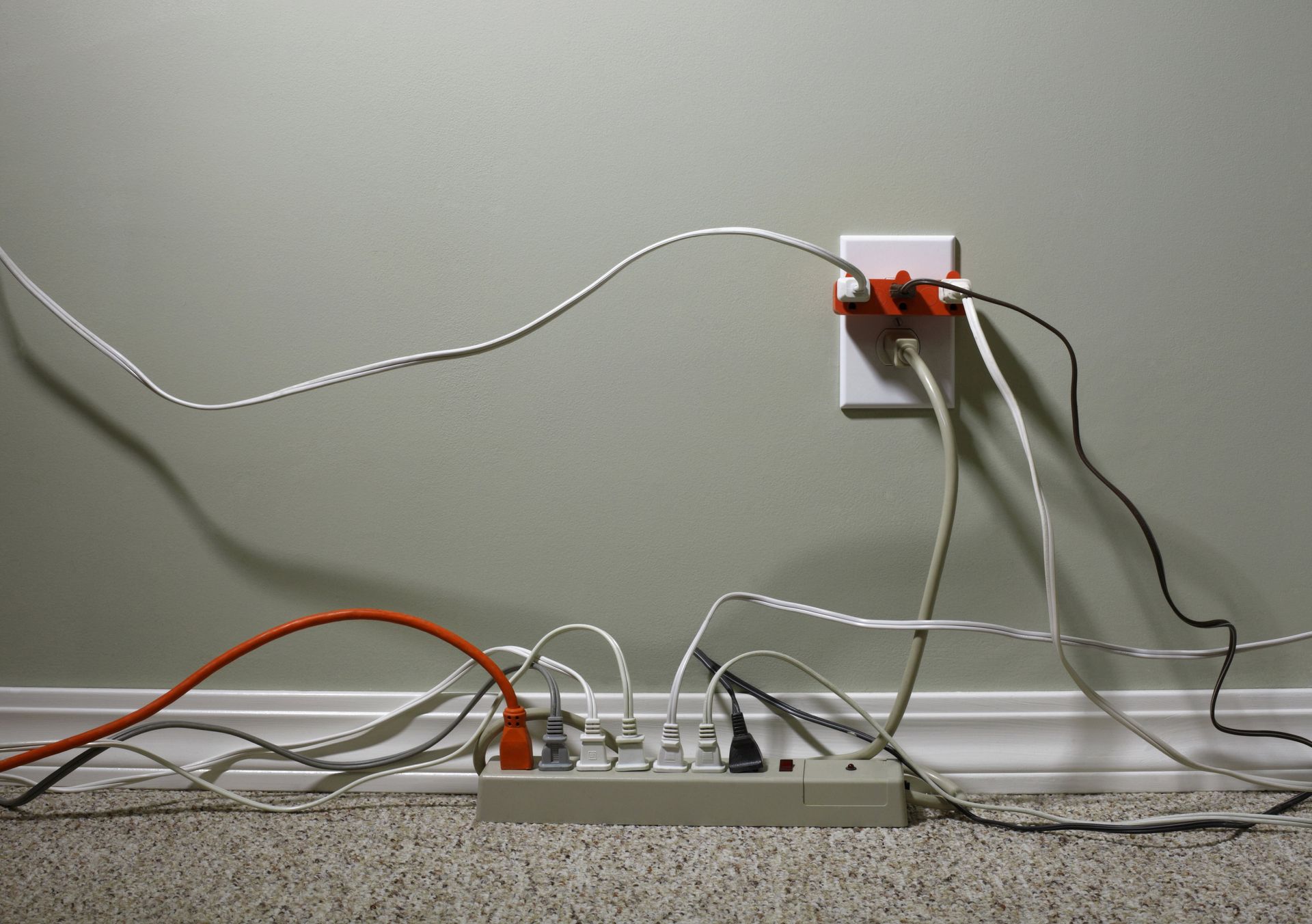
Electricity is a powerful force that provides convenience and comfort in our daily lives. However, it also poses a significant danger if not used properly. One of the most crucial safety measures in electrical use is electrical cord safety. Whether we are using extension cords or power strips, it is essential to know what you need to know about electrical cord safety. Understanding how to properly use and store cords, avoiding overload, and inspecting cords for signs of damage can minimize the risk of electrical fires, shocks, and other accidents. By following these safety guidelines, you can protect yourself and your loved ones while enjoying the many benefits of electricity.
Electrical Safety Extension Cords
There are few things more convenient than an extension cord. When we need to power something far from an outlet, we can simply plug in and voila! But, as with all things electrical, safety is paramount. Extension cords in particular can pose a risk if they're not used properly. Always make sure to use the right cord for the job, and check for damage or wear and tear before plugging in. Never overload an extension cord or daisy-chain multiple cords together, as this can create a fire hazard. By following a few key safety guidelines, we can ensure that our trusty extension cords continue to be a helpful, rather than dangerous, accessory.
When it comes to electrical safety in the workplace, following the guidelines of OSHA Electrical Cord Safety is crucial. OSHA provides regulations for the proper use and maintenance of electrical cords to prevent incidents such as electrical shock or fire. It is important to regularly inspect electrical cords for any damage or wear and tear, and to avoid using cords that have exposed wires or plugs. Additionally, cords should never be overloaded or stretched beyond their capacity. By prioritizing electrical cord safety in all aspects of the workplace, employers can protect their employees and create a safer work environment overall.
When it comes to electrical cord safety, it is important to always be vigilant. Accidents happen, and when they involve electricity, they can have serious consequences. Fortunately, there are plenty of precautions you can take to minimize the risk of danger. By following some simple electrical cord safety tips, you can ensure that you and your loved ones stay safe. From keeping cords away from water sources to never pulling on the cord to unplug an appliance, these tips can make all the difference. Make sure that you take the time to educate yourself on electrical cord safety so that you can protect yourself and your family.

Electrical Extension Cord Safety Tips
It's always important to prioritize safety when working with any type of electrical equipment, including extension cords. Electrical extension cord safety tips can help prevent accidents and ensure that you're using these cords safely and effectively. One important tip is to inspect your extension cords before use, especially if they've been stored for a long period of time or exposed to harsh elements. Check for any signs of damage, such as fraying or cracks, which can increase the risk of electrical shock or fire. It's also important to choose the right cord for the job - different cords have different capacities based on voltage and wattage, so make sure you choose one that can handle the load you're using it for. By following these tips, you can ensure that you're using extension cords safely and avoid potential accidents.
Safety Cover for Electrical Cords
When it comes to electrical cords, it's important to prioritize safety. Whether you're working with cords at home or in a professional setting, accidents can happen. That's why investing in a safety cover for electrical cords can make all the difference in protecting yourself and others from potential hazards. These covers come in a variety of sizes and materials, and can help prevent damage to cords and insulation, as well as prevent tripping or electrocution. Don't risk your safety when it comes to electrical cords – opt for a safety cover and feel at ease knowing you're taking the necessary precautions to avoid any accidents.
Electrical cords safety is a topic that should never be overlooked. The responsible use and proper maintenance of electrical cords are essential in preventing electrical hazards and fire accidents. It is crucial to check cords for any signs of wear and tear, including frayed wires and exposed insulation. Extension cords should never be used as a permanent power source, and it is essential to avoid overloading power outlets. Additionally, cords should not be run under rugs or furniture, and they must not be placed near heat sources. By being vigilant and taking the necessary precautions, we can ensure the safe use of electrical cords and prevent any potential danger.
Electrical Cord Safety Toolbox Talk
As we all know, safety is a top priority at our company. That's why we're taking the time to discuss Electrical Cord Safety in this Toolbox Talk. Electrical cords can be incredibly dangerous if they're not handled with care. In fact, according to the Occupational Safety and Health Administration (OSHA), electrical cords are one of the leading causes of electrical incidents in the workplace. That's why it's crucial that we take the necessary precautions to ensure our safety and the safety of those around us. By following some simple guidelines, like inspecting cords regularly for damage and never using a cord that's frayed or damaged, we can minimize the risk of electrical incidents. So let's take this opportunity to refresh our knowledge and commit to practicing Electrical Cord Safety in our day-to-day work.
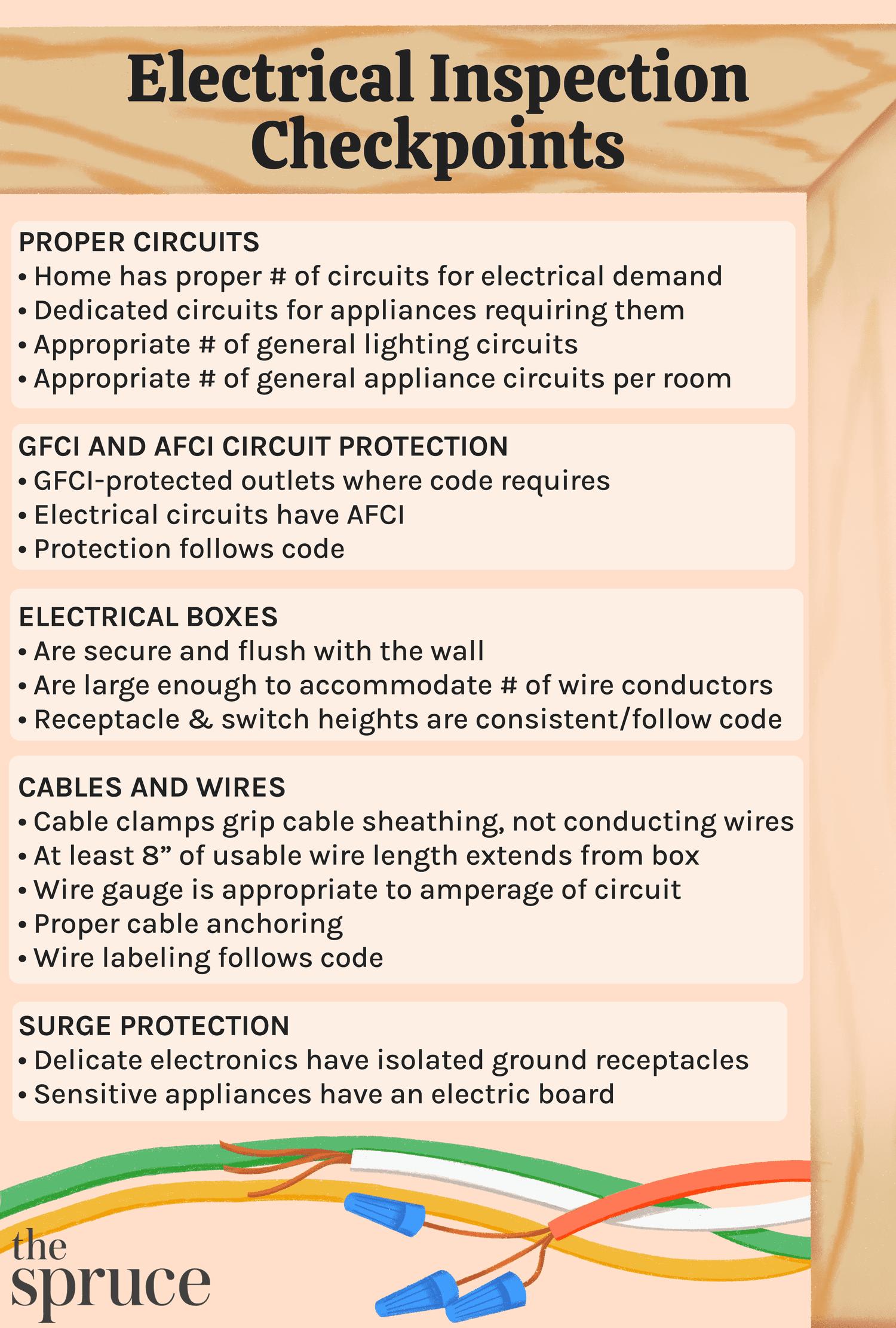
Electrical Cord Safety Checklist
Electrical cords are an essential and ubiquitous part of our lives, allowing us to power everything from our smartphones to our home appliances. However, while cords make our lives easier, they can also be dangerous if not used correctly, leading to electrocution or fire hazards. This is where an Electrical Cord Safety Checklist comes in handy. By following a simple checklist, you can identify potential safety hazards and prevent accidents from happening. From checking for frayed wires to avoiding overloading extension cords, there are a variety of safety measures that should be taken when using electrical cords. Always prioritize safety over convenience, and use your Electrical Cord Safety Checklist to keep yourself and others safe.
At AC-DC Electric, we have been offering both residential and commercial electrical services for over four decades. Our experience has taught us the best ways to perform various procedures.
Our management and staff have seen electric systems evolve over time and have gained a deeper understanding of how they work. Thanks to our experience, we rarely encounter issues that we have never seen before.
Our knowledge
Each of our electricians and technicians is licensed, certified, and trained to provide high quality services. We understand the importance that electric systems play in both residential and commercial properties. This is why we handpick the best staff who are both knowledgeable and have demonstrated their ability in a variety of situations.
At AC-DC Electric, we foster an environment that encourages excellence. You can count on our electricians and technicians to get the job done with both speed and skill.
Our Transparent Pricing
Dealing with an electrical problem at home can be incredibly distressing, and many electricians and companies are willing to exploit people experiencing such issues by charging them high fees. At AC-DC Electric, we strive to provide high quality services at affordable rates.
Our experts can also offer you a free estimate before you hire them. This ensures you remain aware of how much you will need to pay before using our services.
If you’re ready to tackle your residential property’s electrical problems quickly, please contact AC-DC Electric today. Our experts are always happy and ready to help residents in Fort Collins, Loveland, Ault, Brighton, Commerce City, Greeley, Evans, Johnstown & Windsor. Call today for a free estimate at 970-330-1656.
Can extension cords cause electrical fires?
Yes. Overloaded, damaged, or improperly used cords frequently overheat, arc, and ignite flammable materials — making them a major fire hazard in homes.
How long can I use an extension cord safely?
Extension cords are for temporary use only. If you're using one daily or long-term, you likely need more outlets or a dedicated circuit installed.
What’s the safest extension cord for heavy appliances?
A UL-listed 12-gauge (12 AWG) heavy-duty cord rated for 15 amps or more.
Never use light-duty cords for space heaters, refrigerators, AC units, or power tools.
Is it safe to run electrical cords under rugs or furniture?
No. This traps heat, increases the risk of overheating, and hides damage that could cause fires.
Why does my extension cord get hot?
Describe the item or answer the question so that site visitors who are interested get more information. You can emphasize this text with bullets, italics or bold, and add links.Why does my extension cord get hot?
Because it is:
Overloaded
Too long for the load
Damaged
Low gauge/light-duty
Not rated for the appliance
A hot cord is a serious hazard — stop using it immediately.
What kind of electrical cords are safe outdoors?
Use outdoor-rated, weather-resistant, heavy-duty cords labeled “W” or “SJTW.”
Can I plug a space heater into an extension cord?
No. Space heaters should always be plugged directly into a wall outlet. They draw high current and are a fire hazard on extension cords
How do I know if a cord is overloaded?
Signs include:
Heat
Flickering lights
Sparking
Tripped breakers
Buzzing sound
Burning smell
Can I plug two extension cords together?
No. Daisy-chaining cords increases resistance, voltage drop, and fire risk.
Are power strips safer than extension cords?
Only if they are surge-protected, used properly, and not overloaded. Avoid plugging space heaters or large appliances into power strips.
How do I store electrical cords safely?
Coil them loosely, avoid tight knots, keep them dry, and store them in a climate-controlled space.
Can electrical cords be repaired?
No. Taping or splicing damaged cords is dangerous. Replace the cord entirely.
What happens if an electrical cord gets wet?
Unplug immediately, allow it to dry thoroughly, and inspect for damage. Wet cords can shock you or short out appliances.
How often should I inspect my cords?
Inspect before every use and seasonally for outdoor cords. Replace at the first sign of wear or overheating.
What type of cord should I use for power tools?
Heavy-duty, 12/3 or 14/3 gauge cords rated for outdoor use
Can using the wrong cord damage my appliances?
Yes. Underrated cords drop voltage, causing motors to overheat or fail prematurely.
How many watts can an extension cord handle?
A standard 15-amp household circuit handles 1,800 watts maximum — but your cord must be rated to match
Does cord length affect safety?
Yes. The longer the cord, the more voltage drop and heat buildup. Always use the shortest cord possible.
Should I unplug cords when not in use?
Yes — plugged-in cords remain energized and pose a shock or fire risk, even when devices are off.
When should I replace an old extension cord?
If it is:
Older than 3–5 years of frequent use
Stiff or brittle
Discolored or warm
Missing ground prong
Damaged in any way
When in doubt, replace it.
At AC-DC Electric, we have been offering both residential and commercial electrical services for over four decades. Our experience has taught us the best ways to perform various procedures.
Our management and staff have seen electric systems evolve over time and have gained a deeper understanding of how they work. Thanks to our experience, we rarely encounter issues that we have never seen before.
Our knowledge
Each of our electricians and technicians is licensed, certified, and trained to provide high quality services. We understand the importance that electric systems play in both residential and commercial properties. This is why we handpick the best staff who are both knowledgeable and have demonstrated their ability in a variety of situations.
At AC-DC Electric, we foster an environment that encourages excellence. You can count on our electricians and technicians to get the job done with both speed and skill.
Our Transparent Pricing
Dealing with an electrical problem at home can be incredibly distressing, and many electricians and companies are willing to exploit people experiencing such issues by charging them high fees. At AC-DC Electric, we strive to provide high quality services at affordable rates.
Our experts can also offer you a free estimate before you hire them. This ensures you remain aware of how much you will need to pay before using our services.
If you’re ready to tackle your residential property’s electrical problems quickly, please contact AC-DC Electric today. Our experts are always happy and ready to help residents in Fort Collins, Loveland, Ault, Brighton, Commerce City, Greeley, Evans, Johnstown & Windsor. Call today for a free estimate at 970-330-1656.
You might also like